


Views: 0 Author: Site Editor Publish Time: 2026-09-08 Origin: Site


A luxury home demands seamless convenience. However, poorly specified mobility solutions can easily ruin a serene atmosphere. They often introduce disruptive mechanical noise into quiet spaces. They also create harsh, unsettling ride dynamics. At the decision stage, homeowners and architects must look beyond mere aesthetics. You need to evaluate the underlying engineering carefully. True luxury is defined by acoustic discretion. It also requires absolute mechanical smoothness in every operation.
Understanding the technical distinctions between various drive systems is absolutely critical. You must also consider the specific acoustic treatments needed for the hoistway. Structural integration plays a massive role as well. This deeper knowledge helps you specify a residential elevator that truly enhances your home. It ensures the installation never disrupts your daily environment. We will explore exactly how the right components work together. You will learn to evaluate drive technologies, assess architectural needs, and secure a premium experience. This guide provides the exact blueprints you need to make an informed architectural decision.
Drive technology is the primary noise factor: Gearless traction and specialized hydraulic systems offer the lowest decibel outputs.
Vibration control dictates comfort: Variable Frequency Drives (VFD) and precision guide rails are non-negotiable for a smooth start and stop.
Installation architecture matters: Shaft insulation and strategic placement are just as important as the elevator hardware for acoustic isolation.
Verifiable metrics matter: Target operating noise levels should ideally sit between 40 dB and 50 dB (equivalent to a quiet library).
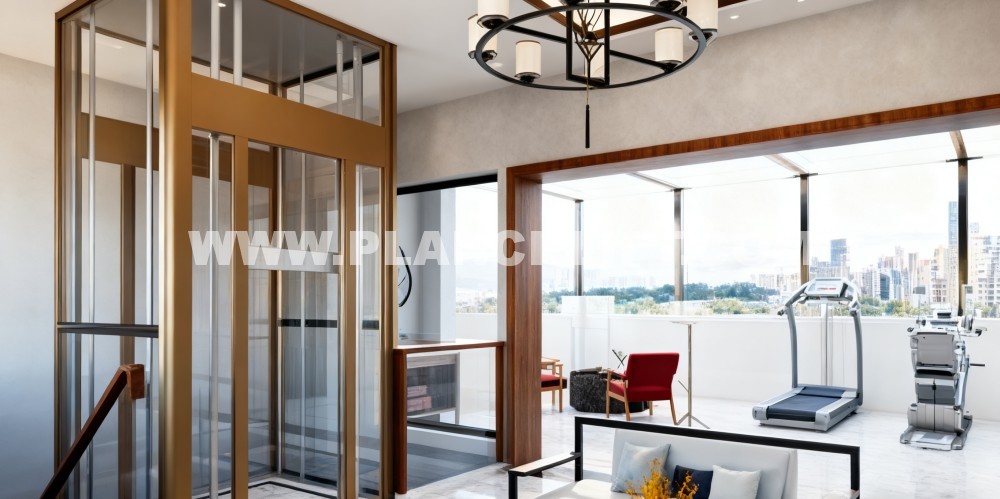
You cannot improve what you do not measure. Evaluating a system requires objective baselines. Let us define what acoustic success actually looks like in a home setting. A highly engineered system should operate quietly. It usually produces sound levels between 40 and 50 decibels (dB).
This range resembles the background hum of a quiet library or a premium dishwasher. It is vital to distinguish between in-cabin noise and ambient exterior noise. In-cabin noise affects the passenger directly. Exterior noise transmits through the walls into adjacent rooms. Both metrics require strict evaluation. Exceptional acoustic control keeps mechanical sounds completely isolated from living spaces. A poor installation can amplify a 50 dB motor into a 70 dB nuisance through structural reverberation.
Acoustics only tell half the story. Physical comfort metrics dictate the actual feeling of movement. Achieving a comfortable lift ride involves several distinct markers. You should experience no shuddering upon dispatch. The acceleration and deceleration must feel entirely seamless. The cabin must maintain absolute lateral stability during vertical transit. Passengers should feel completely detached from the mechanical lifting process.
We must also acknowledge the risk of overpromising. No mechanical system is 100% silent. Moving parts always generate some sound. Trustworthy manufacturers set realistic expectations. They distinguish between normal operating sounds and problematic mechanical grinding. Normal sounds resemble a soft electric hum. Grinding indicates poor installation or component failure. Transparency regarding these decibel ranges prevents long-term buyer remorse.
The core drive technology dictates the baseline acoustic output. Your choice of motor inherently defines the system's noise potential. Finding a truly quiet home lift starts right here at the engineering level. Different mechanisms produce vastly different sound signatures.
This system utilizes a highly efficient gearless synchronous motor. It moves the cabin using reinforced steel belts or specialized wire ropes. Manufacturers often install them in a Machine Room-Less (MRL) configuration. This setup places the compact motor directly inside the top of the hoistway.
A gearless villa traction elevator offers phenomenal advantages. The operation is whisper-quiet by design. The lack of a gearbox eliminates internal friction points. These units boast exceptionally high energy efficiency. They eliminate all hydraulic fluid odors entirely. The ride quality feels incredibly smooth.
You must consider a few specific constraints before choosing this option. MRL setups require precise overhead clearance to accommodate the motor block safely. The advanced engineering also commands a premium price point compared to basic models. However, the long-term acoustic benefits easily justify the initial capital investment.
Hydraulic systems use a completely different approach. A heavy-duty piston moves the cab upward. A motorized pump pushes pressurized hydraulic fluid into a cylinder. Gravity handles the downward journey smoothly as the fluid releases.
They provide a distinctly smooth ride. Hydraulic systems easily handle much heavier weight capacities. Submersible pumps represent a major acoustic breakthrough in this category. Placing the pump directly inside the fluid tank significantly muffles motor noise. The oil acts as a natural sound insulator.
These units require a separate machine room. This requirement is actually a profound acoustic advantage. You can soundproof this external room heavily. You can also place it far away from bedrooms or living spaces. Remember that hydraulic fluid remains sensitive to extreme temperature changes. You must climate-control the machine room properly.
Screw and nut drives rotate a threaded nut along a massive central shaft. Pneumatic alternatives use basic air pressure to elevate a vacuum-sealed polycarbonate cabin.
Both options demand minimal structural modifications. They offer highly distinct architectural aesthetics. You can install them in very tight spaces where traditional pits remain impossible.
Historically, they represent the loudest options on the market. The mechanical rotation and air pumps generate notable noise. These systems serve best during retrofits. Choose them when space is your absolute constraint rather than acoustic perfection. Their functional utility often outweighs their acoustic drawbacks in highly constrained floor plans.
Drive System Type | Typical Noise Level (dB) | Ride Smoothness | Best Application Scenario |
|---|---|---|---|
Gearless Traction (MRL) | 40 - 45 dB | Excellent | Luxury homes requiring absolute discretion |
Modern Hydraulic | 45 - 50 dB | Very Good | Heavy-load needs with available machine room |
Screw and Nut | 55 - 65 dB | Moderate | Retrofits with strict space limitations |
Pneumatic (Vacuum) | 60 - 70 dB | Moderate | Open-concept architectural displays |
The motor type determines the baseline noise. Vibration control dictates the physical comfort. Micro-vibrations travel quickly through structural beams. They turn into low-frequency hums inside the home. Superior engineering intercepts these vibrations before they reach you.
A Variable Frequency Drive operates as the electronic brain of the motor. VFDs electronically control the exact motor speed. They calculate the precise voltage and frequency needed every millisecond.
This technology eliminates jerky starts and abrupt stops entirely. The industry calls this the "soft start/stop" feature. The cabin accelerates gradually over several seconds. It decelerates just as smoothly upon arriving at the floor. You barely notice the exact moment of dispatch. This smooth transition reduces mechanical stress on the entire lifting framework.
Vertical movement requires physical tracks. Guide rails act as the road for the elevator cabin. High-grade, precisely aligned rails are absolutely vital. Poor alignment causes immediate shuddering during transit.
High-end systems utilize polyurethane rollers instead of traditional metal sliding shoes. Polyurethane absorbs kinetic energy effectively. It rolls smoothly over the guide rails rather than scraping against them. This prevents lateral cabin sway completely. It also eliminates harsh metal-on-metal friction. Regular lubrication of these specific tracks maintains this frictionless environment.
Vibration still originates at the motor block. You must prevent it from reaching the passengers. Engineers achieve this through strict mechanical decoupling techniques.
They separate the inner elevator cab from the outer structural sling. Heavy-duty rubber isolation mounts sit between these two rigid frames. The outer frame absorbs all the direct motor forces. The rubber mounts dissipate the kinetic energy efficiently. The inner passenger cabin floats smoothly in the center. This design ensures passengers never feel the raw mechanical torque.
Hardware represents only a fraction of the solution. Thoughtful home elevator design integrates the equipment seamlessly into the architecture. A quiet motor sounds loud in a poorly insulated shaft. Builders and architects must collaborate closely long before the concrete pours.
Location solves many acoustic challenges instantly. Never place the hoistway adjacent to sensitive areas. Keep it far away from primary bedroom walls. Avoid sharing structural framing with home theaters, nurseries, or quiet studies.
Locate the shaft near transitional spaces instead. Hallways, mudrooms, stairwells, or utility corridors are excellent choices. This physical distance mitigates residual structural noise naturally. Sound energy dissipates across the physical floor plan before reaching resting areas.
The builder must intervene actively during the initial framing stage. Standard drywall cannot contain low-frequency mechanical waves. We strongly recommend implementing specific construction upgrades within the shaft walls.
Staggered Stud Walls: Offset the wooden studs to break the direct transmission path of sound waves through the wood.
Mass-Loaded Vinyl (MLV): Hang heavy, flexible acoustic barriers behind the drywall to block low-frequency hums effectively.
Sound-Dampening Drywall: Use specialized multi-layer gypsum panels like QuietRock to absorb higher frequencies naturally.
Acoustic Insulation: Fill all interior wall cavities with high-density mineral wool rather than standard lightweight fiberglass.
Hydraulic systems mandate a dedicated machine room. This presents a unique architectural advantage. You can isolate the loudest components completely away from the hoistway.
Place the controller and pump system in a remote basement or insulated garage. Apply heavy acoustic treatments to the walls of this specific room. Install solid-core, sound-insulated exterior doors. Add weather-stripping to seal the gaps around the door frame. This strategy prevents aggressive motor noise from leaking into adjoining living spaces.
The materials inside the cabin impact the passenger experience significantly. Hard surfaces reflect sound waves aggressively. They create an unpleasant echo effect inside the small enclosure.
Choosing the right interior finishes provides natural sound dampening. Soft carpet absorbs floor vibrations much better than rigid hardwood. Upholstered wall panels absorb vocal echoes effectively. Glass walls look striking but reflect high-frequency mechanical noises directly at the rider. Balance your aesthetic desires with pragmatic acoustic realities.
Navigating the market requires a structured approach. Marketing brochures often exaggerate quietness to secure a sale. You need concrete methods to verify these claims before signing a binding contract.
Never accept vague terms like "whisper-quiet" or "silent operation." Instruct manufacturers to provide exact, scientifically measured decibel ratings. You need two distinct measurements to evaluate performance accurately.
The maximum decibel level inside the cabin during active vertical transit.
The maximum decibel level measured at a 1-meter distance outside the closed shaft doors.
Compare these numbers against our 40-50 dB baseline. Demand these official figures in writing from the engineering department.
Paper metrics only go so far in real life. You must experience the acoustics physically. Visiting a local showroom is highly critical. Riding an existing installation in a residential home is even better.
Pay strict attention to the specific operational sounds. Listen closely during the doors opening and closing. Notice the exact feeling of the initial dispatch and the final stop. This physical verification confirms the true capabilities of a supposedly premium system.
A premium elevator rattles loudly if installed poorly. Precision alignment defines the entire ride quality. Plumb guide rails ensure a silent, frictionless glide.
You must outline strict criteria for your installation team. Select only fully certified professionals. Ensure they carry direct, up-to-date manufacturer training. Ask them specifically about their rail alignment tolerances and laser leveling practices.
Mechanical systems degrade slowly over time due to constant friction. Factory-level quietness requires consistent, proactive upkeep. Regular servicing guarantees your initial comfort levels endure seamlessly over a 20-year lifespan.
Technicians must lubricate guide rails periodically with specified heavy oils. They need to inspect polyurethane rollers for flat spots or wear. They must verify the VFD parameters remain optimized for weight loads. Do not neglect this critical maintenance schedule if you value acoustic peace.
A superior home elevator experience relies entirely on technical synergy. It requires the right core drive system first and foremost. Gearless traction or well-isolated hydraulic setups lead the market in acoustic performance. It demands smart, rigorous vibration-control engineering to smooth out the physical journey. Finally, it depends heavily on an architecturally sound installation strategy to contain residual noise.
Take proactive control of your luxury home project. Review your architectural blueprints with a dedicated elevator specialist today. Determine exactly which drive system fits your unique spatial constraints and acoustic requirements. Demand verifiable sound metrics from your builder. Schedule a professional consultation or request a highly detailed technical spec sheet to begin specifying your system correctly.
A: Machine Room-Less (MRL) gearless traction systems and hydraulic systems with remote machine rooms are currently the quietest options. Gearless traction operates with minimal friction. Hydraulic systems achieve extreme quietness by placing the primary motor and pump in a heavily soundproofed, entirely separate room away from main living spaces.
A: A high-quality, properly installed system should operate between 40 and 50 decibels (dB). This benchmark is comparable to the background noise of a quiet library, a modern refrigerator humming, or a high-end central AC unit. Any noise exceeding 60 dB indicates poor isolation or outdated drive technology.
A: Yes, many existing systems support acoustic retrofits. Technicians can upgrade older mechanical controllers to Variable Frequency Drives (VFDs) for smoother starts. Replacing worn metal sliding shoes with polyurethane rollers eliminates grinding. Contractors can also add mass-loaded vinyl or acoustic panels to the exterior shaft walls to dampen sound.
A: Yes, but often in a positive way. Properly specified heavy-duty systems actually feel significantly more stable. A heavier, robustly built cabin paired with upgraded structural guide rails minimizes lateral sway and vibration. Higher weight capacities demand thicker gauge steel, which inherently dampens resonant acoustic frequencies better.

 planck@plancklift.com
  +86-13567253352
 No. 799 Tunheng Road, Nanxun Town Industrial Park, Huzhou, China.

